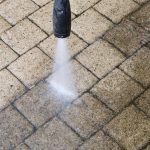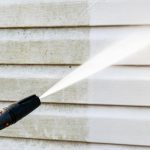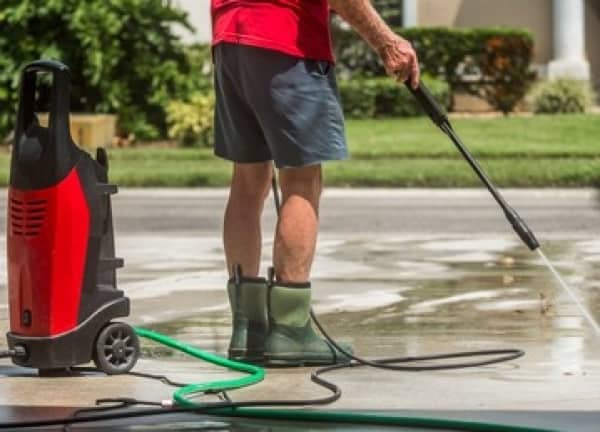
High-pressure cleaning is one of the most effective maintenance tasks a homeowner can do to protect and refresh exterior surfaces. A proper high-pressure clean removes mould, algae, salt residue, airborne pollution, and deeply embedded dirt that normal washing simply cannot remove. In Hobart, where homes are exposed to moisture, cool temperatures, coastal air, and shaded conditions, these contaminants build up faster and more aggressively than many people realise.
When done correctly, high-pressure washing improves curb appeal, extends the life of paint, and prepares surfaces properly for repainting. When done incorrectly, it can strip paint, damage timber, crack concrete edges, force water behind walls, and create safety risks for the operator.
This guide is written from the perspective of professional painters who use pressure washer cleaning as a technical preparation step, not a casual cleaning job. The goal is to help homeowners clean safely, protect their property, and avoid the costly mistakes we see every year.
Why High-Pressure Cleaning Requires Extra Care
Hobart’s climate creates very specific challenges for exterior surfaces. Regular rainfall, cool weather, shade from trees, and coastal salt exposure all contribute to faster surface deterioration. Painted walls often develop mould patches, driveways become slippery with algae, and concrete or brickwork can darken unevenly over time.
A proper house pressure cleaning routine removes these contaminants before they cause long-term damage. However, incorrect psi pressure washing or poor technique often leads to new problems, such as water intrusion behind paint, premature paint failure, or etched concrete that never looks even again.
Professional high-pressure water cleaning is about understanding surfaces, pressure limits, and safe techniques. It is not about using maximum force.
Understanding Pressure Cleaning Equipment Before You Start
Before using any pressure cleaning equipment, you must understand how it works and what the numbers mean.
- PSI (Pounds per Square Inch) measures water force. Higher PSI means more cutting power, but also more risk.
- GPM (Gallons Per Minute) measures water flow and affects how quickly dirt is rinsed away.
- Cleaning Units (CU) combine PSI and GPM to show real cleaning ability.
For most house pressure cleaning tasks, controlled pressure with good technique is far more effective than high PSI alone.
10 Safety Tips for High-Pressure Cleaning
Tip 1: Always Start With the Lowest Pressure Possible
Starting with maximum pressure is the most common mistake homeowners make during high-pressure washing. High PSI feels efficient, but it often causes surface damage before you realise it.
Professional cleaners always begin with the lowest pressure setting and gradually increase only if required. This approach protects painted walls, mortar joints, timber fibres, and sealants around windows and doors. Many stains and surface contaminants lift with surprisingly low pressure when combined with proper angle and dwell time.
In Hobart homes, older paint systems and weathered timber are especially vulnerable. Starting gently allows you to assess how the surface reacts before committing to stronger pressure. For high-pressure cleaning, patience delivers safer and more consistent results than raw force.
Tip 2: Use the Correct Nozzle for Every Surface
Nozzle choice directly affects safety, surface damage, and cleaning quality. Each nozzle changes how pressure is distributed, even if the PSI setting stays the same.
A narrow nozzle concentrates pressure into a small area, increasing cutting force. A wider nozzle spreads pressure over a larger area, reducing surface stress. For house pressure cleaning, wide spray nozzles are almost always safer.
Using a red or narrow-angle nozzle on painted walls or timber can strip paint instantly or gouge the surface. Even on concrete, incorrect nozzle choice can leave visible etch lines. Professionals select nozzles based on surface type, contamination level, and cleaning goal, not convenience.
Understanding nozzle control is one of the most valuable pressure cleaning tips for avoiding irreversible damage.
Tip 3: Prepare the Area Thoroughly Before You Begin Cleaning
Preparation is a critical safety and quality step in high-pressure washing, yet it is often skipped. Failing to prepare properly leads to broken fittings, water intrusion, and electrical hazards.
Before starting any high-pressure cleaning, remove outdoor furniture, décor, and loose items. Sweep stones and debris that could become projectiles. Secure pets and keep children well away from the area.
Sensitive areas such as outdoor lights, power points, vents, timber doors, and window seals should be covered or shielded. Water forced behind fittings can remain trapped and cause paint bubbling or timber swelling weeks later.
Professional cleaners treat preparation as part of the job, not an inconvenience. It protects the property and improves results.
Tip 4: Never Use Ladders With High-Pressure Cleaning Equipment
Using ladders with high-pressure water cleaning equipment is extremely dangerous. Pressure washers produce a recoil force that can push operators backward unexpectedly. When combined with wet surfaces and trailing hoses, ladders become unstable.
Many serious injuries occur when people attempt to clean upper walls or eaves from ladders. Loss of balance, slipping, or hose snagging can cause falls in seconds.
Safer alternatives include extension wands, telescopic poles, or cleaning from ground level. For two-storey homes, professional services are strongly advised. Experienced teams use stabilised equipment designed specifically for height work, reducing risk significantly.
This is one of the most important safety rules in pressure cleaning tips.
Tip 5: Clean at a 45-Degree Angle, Not Straight at the Surface
Spraying water directly at a surface drives moisture into cracks, joints, and behind paint layers. This is one of the main causes of hidden water damage after high-pressure washing.
A controlled 45-degree angle allows water to lift dirt away from the surface instead of forcing it deeper. This technique is especially important on painted weatherboards, brick joints, and timber cladding.
Maintaining a consistent angle also reduces splashback, improves visibility, and protects the operator. Combined with steady wand movement, angled cleaning produces more even results and reduces the risk of surface scarring.
Professional high-pressure water cleaning always focuses on angle control, not direct impact.
Tip 6: Match Pressure Levels to Each Surface Type
Every surface reacts differently to pressure cleaning, and applying the same pressure everywhere is a mistake.
Painted weatherboards require low PSI and wide spray patterns to avoid paint removal. Brick walls tolerate moderate pressure but need care around mortar joints. Concrete driveways handle higher pressure but still require consistent movement to prevent etching. Timber decking is the most vulnerable and should only be cleaned with very low pressure.
In Hobart, many homes feature older materials that are less forgiving than modern surfaces. Adjusting pressure correctly preserves surface integrity and prevents costly repairs.
Matching pressure to material is a fundamental rule of safe house pressure cleaning.
Tip 7: Avoid Holding Pressure on One Spot
Holding the pressure washer in one place concentrates force and creates permanent damage. Concrete can develop visible etch marks, timber fibres can tear, and paint can strip unevenly.
Professional high–pressure washing relies on continuous movement, overlapping passes, and consistent speed. If a stain does not lift easily, adjusting angle, distance, or detergent use is safer than increasing pressure.
Uneven cleaning patterns are one of the most common signs of DIY high-pressure cleaning gone wrong. Smooth, controlled passes produce better visual results and protect surfaces.
Tip 8: Use Cleaning Agents to Reduce Pressure Requirements
Detergents and cleaning agents play a vital role in safe high-pressure washing. They break down mould, algae, grease, and dirt, so less physical force is required.
Applying detergent with low pressure, allowing it to dwell, and rinsing thoroughly reduces the need for high PSI. This protects surfaces and improves cleaning efficiency.
In Hobart’s damp conditions, mould spores often embed deeply. Relying on pressure alone rarely removes them completely. Proper chemical treatment is safer and more effective for long-term results.
Tip 9: Wear Proper Protective Equipment at All Times
A high-pressure clean is not casual outdoor work. High-velocity water can cut skin, damage eyes, and cause serious injuries.
Minimum safety gear includes closed footwear with good grip, eye protection, gloves, and long pants. Wet surfaces become slippery quickly, and debris can ricochet unexpectedly.
Professional cleaners never operate without protective equipment, even for short jobs. Treating pressure cleaning with the same respect as power tools significantly reduces risk.
Tip 10: Know When to Call Professionals Instead
Some cleaning tasks are simply not suitable for DIY high-pressure washing. Roof cleaning, multi-storey homes, delicate painted finishes, and pre-painting preparation all require experience and specialised equipment.
Improper cleaning often shortens paint life, increases repair costs, and creates safety hazards. Professional teams understand pressure limits, surface behaviour, and Hobart-specific environmental factors.
Knowing when to step back protects both your property and your safety.
Why High-Pressure Cleaning Matters Before Painting
From a painter’s perspective, surface preparation determines paint lifespan. Poor preparation is the main reason paint fails early. Correct high-pressure cleaning removes loose paint, salt residue, mould spores, and dirt that block adhesion. This allows new paint to bond properly and last longer. Experienced house painters in Hobart treat pressure cleaning as a technical step, not a quick rinse. It is the foundation of quality paintwork.
Additional practical reasons professional painters prioritise high-pressure cleaning:
- Reveals hidden surface defects such as cracks, timber rot, and damaged joints before painting begins
- Prevents moisture from being trapped under new paint, which often leads to blistering and peeling
- Creates an even surface texture so paint dries consistently across the entire area
- Reduces the amount of sanding and patching required during preparation
- Helps primers penetrate properly instead of sitting on surface contaminants
- Improves colour consistency and finish quality once the final coat is applied
This added step directly impacts durability, finish appearance, and long-term maintenance needs.
Frequently Asked Questions
1. How often should high-pressure cleaning be done for homes in Hobart?
For most Hobart homes, high-pressure cleaning once every 12 to 18 months is sufficient. Properties located near the coast, surrounded by trees, or exposed to constant shade may need cleaning more frequently due to faster mould and algae growth. Regular cleaning prevents permanent staining and reduces long-term surface deterioration.
2. Can high-pressure cleaning increase the resale value of a property?
Yes. A professional high-pressure clean significantly improves curb appeal by restoring driveways, walls, and outdoor areas. Clean exterior surfaces make a home appear well-maintained, which can positively influence buyer perception and property inspections, especially in competitive real estate markets.
3. Is high-pressure cleaning environmentally safe?
When done correctly, high-pressure water cleaning is more environmentally friendly than many chemical-heavy cleaning methods because it relies primarily on water force. Professionals often use biodegradable detergents only when necessary, reducing chemical runoff into gardens, drains, and surrounding soil.
4. Can high-pressure cleaning remove oil stains and tyre marks from driveways?
Oil stains and tyre marks can often be lightened or removed with pressure washer cleaning, but results depend on how long the stain has been present and the type of surface. Older or deeply absorbed oil stains may require specialised treatments in addition to pressure cleaning for the best outcome.
5. Should high-pressure cleaning be done before selling or renting out a property?
Yes, house pressure cleaning before selling or renting helps present the property in its best condition. Clean exterior surfaces, paths, and driveways create a strong first impression for buyers or tenants and can reduce objections during inspections.
Trust House Painters in Hobart Who Get the Details Right
If your home needs more than a quick clean and you want results that last, it’s time to speak with experienced house painters in Hobart who understand preparation, surface care, and long-term protection. At Dyson Painters, high-pressure cleaning is not treated as a separate task. It is part of a careful process that protects your walls, concrete, timber, and finishes before any paint is applied.
Many property issues we see start with rushed cleaning or poor prep. Our team takes a measured approach so that paint bonds properly, and surfaces stay in good condition for years. From exterior walls and driveways to full repainting projects, we focus on doing the job right the first time.
If you are comparing painters in Hobart, choose a team that values safety, surface knowledge, and clean workmanship. Contact Dyson Painters today at 0420-213-214 or email us at admin@dysonpainters.com.au to discuss your project and get honest guidance based on real experience.