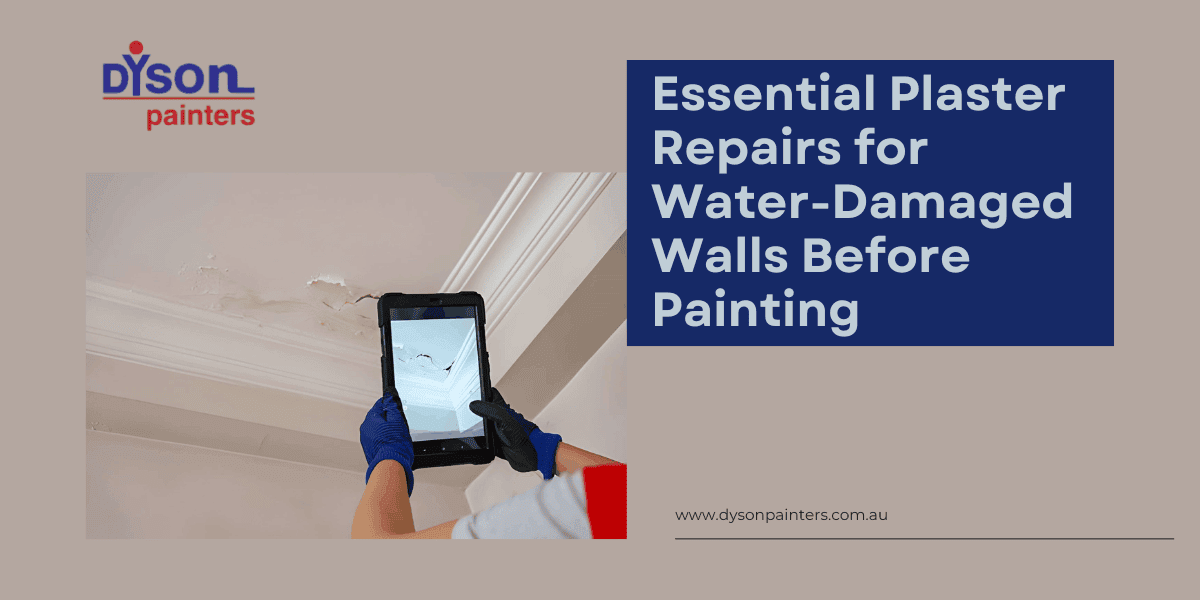
Imagine this scenario. You walk into your living room after a heavy bout of Hobart rain and look up. There is an ugly brown ring spreading across your pristine white ceiling. Or maybe you notice the paint near your bathroom skirting board is starting to bubble and flake. Your first instinct might be to grab a paintbrush and cover it up.
Please stop right there.
Painting directly over water damage is one of the biggest mistakes a homeowner can make. The stain will almost always bleed through the new paint within days. The moisture trapped underneath will cause the new coat to peel. You will end up wasting time and money only to do the job twice.
The secret to a flawless finish is not in the paint itself. It is in the preparation. Plaster repairs are the non-negotiable first step to restoring your home. You must fix the underlying surface before you even think about opening a paint can.
We have outlined every necessary step below to ensure you get the job done right. We will cover how to identify damage and how to dry it out properly. We will also explain the specific steps for durable plaster repairs that last for years.
Identify Signs of Water Damage in Plaster
Water damage does not always look like a gaping hole or a dripping leak. It often starts subtly. Catching these early signs can save you from needing major plastering services down the track.
1. Discolouration and Staining
The most common sign is a water stain. These usually appear as yellow, brown, or copper-colored rings on your ceiling or walls. This discolouration happens because water carries minerals and tannins from the wood or insulation behind the plaster. Even if the area feels dry now, that stain is a chemical marker that needs special treatment during your plaster repairs.
2. Bubbling or Peeling Paint
Water breaks the bond between the paint and the plaster. You might see small blisters forming under the paint film. In older Hobart homes with layers of paint, this can look like large sheets peeling away. If you press on a bubble and it feels damp or spongy, you have active moisture behind the wall.
3. Soft or Crumbling Plaster
Plasterboard (often called Gyprock) is essentially gypsum rock sandwiched between paper. When it gets wet, the core dissolves and turns to mush. Press your thumb gently against the affected area. If the wall feels soft or leaves an indentation, the structural integrity is gone. You cannot paint over mush. The only solution is to excise the damaged section and install a new patch.
4. Efflorescence
This looks like a white, powdery substance growing on your wall. It happens when moisture moves through masonry or plaster and leaves salt deposits behind as it evaporates. It is very common in ground-floor rooms or basements. You can brush it off, but it will keep coming back until you solve the moisture issue.
Importance of Stopping the Moisture Source First
You cannot repair a wall that is still wet. It sounds obvious, yet many people rush this step. If you perform plaster repairs on damp drywall, you seal the moisture inside. This generates an ideal environment for mould spores to thrive. Mould is a serious health hazard for your family.
You must find the source of the water. It could be a slipped tile on the roof or a leaking gutter. It might be a burst pipe inside the wall cavity. In bathrooms, it is often just poor ventilation causing condensation to soak into the ceiling.
The Drying Phase
Once you stop the leak, you must let the area dry completely. Speeding through this step is a mistake. Open windows to improve airflow. Use fans to circulate air across the damp spot. If you have a dehumidifier, run it in the room for at least 24 to 48 hours.
How to Know It Is Dry
Do not rely on your hand alone. Ideally, you should use a moisture meter. Professional painters use these tools to ensure the moisture content is low enough for painting. If you do not have one, tape a clear piece of plastic wrap over the area and leave it overnight. If you see condensation under the plastic in the morning, the wall is still wet.
Assess the Severity of the Plaster Damage
Not all water damage requires the same level of intervention. You need to categorise the damage to decide if you can DIY or if you need professional plaster repair services.
Minor Surface Damage
This is purely cosmetic. The plaster feels hard and solid, but there is an ugly stain or some flaking paint. The repair here is mostly cleaning, sealing, and a light skim coat. This is a very manageable weekend project.
Moderate Damage
This involves soft spots or small holes. Perhaps a focused area of the ceiling has started to sag slightly between the joists. You will need to cut out the damaged section and install a patch. This requires more skill and specific tools to blend the new piece with the old wall.
Severe Structural Damage
If a large section of the ceiling is bowing or sagging significantly, do not stand under it. Wet plaster is incredibly heavy and can collapse without warning. If the water has soaked into the timber framing or insulation, you are looking at a major renovation. This is dangerous work. You should contact experts in plastering services immediately to secure the area.
Tools and Materials Needed for Durable Plaster Repairs
Using the wrong filler is the main reason DIY repairs fail. Standard “spakfilla” is fine for a nail hole, but it is not designed for water-damaged areas. You need materials that dry hard and resist moisture.
Essential Tools
- Scraper or Putty Knife: You need a stiff blade for scraping and a wider, flexible blade for applying filler.
- Utility Knife: For cutting out damaged plasterboard.
- Sanding Block: Get 120-grit paper for rough sanding and 180-grit for the final finish.
- Dust Mask and Goggles: Old plaster dust and mould spores are bad for your lungs.
Required Materials
- Setting Compound (Base Coat): This comes as a powder that you mix with water. It cures chemically and sets very hard. It is much better for deep fills than air-drying tub compounds.
- Joint Compound (Top Coat): This is easier to sand and is used for the final layer to get that glass-smooth finish.
- Fibreglass Mesh Tape: This is essential for bridging gaps between old and new plaster. It prevents cracks from reappearing.
- Stain-Blocking Primer: This is the most critical item. We will discuss why later.
Steps to Repair Water-Damaged Plaster
Follow this process exactly for a professional result. Skipping steps will lead to a patchy finish or recurring cracks.
1. Remove Loose Paint and Plaster
Start by protecting your floor with drop sheets. Take your stiff scraper and attack the damaged area. You need to be aggressive here. Scrape away any paint that is bubbling, peeling, or flaking.
Keep scraping until you reach paint that is firmly attached to the wall. You cannot build a solid repair on top of loose paint. If the plaster underneath is soft or crumbly, dig it out until you hit solid material. It is better to have a slightly larger hole that is clean than a small hole with weak edges.
2. Clean and Sealing the Exposed Area
Once you have removed the loose material, clean the area. Use a vacuum or a dry brush to remove dust and debris.
Here is a pro plaster repair tip that most DIY guides miss. Apply a coat of sealer to the raw, damaged masonry or plaster before you fill it. This seals any remaining dust and gives the filler a solid surface to bond to. It also prevents the water stain from bleeding into your new filler from behind.
Get a Free Plaster Assessment!
3. Fill Holes and Cracks with Compound
Mix up a small batch of your base coat setting compound. If you have a deep hole, do not try to fill it all at once. The compound might shrink or crack. Fill it in layers.
Press the compound firmly into the hole to eliminate air pockets. If you are patching a crack or a join between sheets, apply your fibreglass mesh tape over the wet compound. Then smooth another thin layer of compound over the tape.
For deep plaster repairs, leave the filler slightly below the surface level of the wall. This leaves room for your top coat. Let this base layer set completely. It will turn a consistent colour when it is dry.
4. Apply the Top Coat
Now switch to your finishing compound or top coat. This material is softer and easier to work with. Use a wide knife (100mm or wider) to apply a thin layer over the patch.
Feather the edges. This means you apply more pressure on the outer edges of the knife to spread the compound very thinly where it meets the existing wall. The goal is to make the hump imperceptible. You want the transition from the patch to the wall to be gradual and smooth.
5. Sand for a Smooth Finish
Sanding is where the magic happens. Once the top coat is bone dry, use your sanding block. Start with 120-grit if there are rough ridges, but finish with 180-grit or 220-grit.
Sand in a circular motion. Constantly run your hand over the patch. Your fingers can feel imperfections that your eyes cannot see. The patch should feel completely flat and smooth. There should be no ridge where the repair meets the painted wall.
Why Standard Primers Fail on Water Stains
You have done the hard work. The wall is smooth. You grab a standard water-based undercoat and roll it on. Suddenly, the brown water stain reappears right through your fresh primer.
This happens because water stains are water-soluble. When you apply a water-based acrylic primer, the water in the paint reactivates the stain. The discolouration literally floats up through the wet paint and settles on the surface.
The Solution: Stain Blockers
You must use a specific stain-blocking primer. These are usually oil-based or shellac-based. These primers seal the stain chemically and do not react with water. They create an impenetrable barrier.
Apply the stain blocker over your plaster repairs and slightly beyond the edges of the patch. It will smell stronger than normal paint, so keep the window open. Once this special primer is dry, you can safely apply your standard ceiling or wall paint over the top without fear of the stain returning.
When to Call Professional Plaster Repair Services
We love seeing homeowners take pride in their property. However, water damage repair is one of the trickiest tasks to get right. It takes years of practice to trowel a patch so smooth that it becomes invisible under harsh light.
The Patchy Wall Problem
The biggest risk with DIY plaster repairs is a poor finish. You might not notice it when looking straight on. But when sunlight hits the wall from a side window, a bad patch will cast a shadow. It will look like a lump or a scar on your wall. This ruins the look of the entire room.
High Ceilings and Safety
Repairing a ceiling requires working on a ladder with your arms above your head for hours. It is physically exhausting and can be dangerous. If you have high ceilings or a stairwell void, do not risk your safety.
Comprehensive Service
This is where plastering services from a company like Dyson Painters add value. We do not just paint. We handle the entire preparation process. We have the industrial sanders, the scaffolding, and the specialised compounds to handle severe water damage. We ensure the texture of the repair matches the rest of your home, whether it is modern smooth plaster or older textured finishes.
Key Takeaway
Restoring a water-damaged wall is a process that rewards patience. You must stop the water, dry the structure, and perform careful plaster repairs before you can enjoy a fresh look. If you skip the prep, you will eventually see the stain return or the paint peel.
Remember that plaster repairs are the foundation of a paint job that lasts for ten years or more. If the damage looks overwhelming, or if you simply want the peace of mind that comes with a professional guarantee, rely on plastering services.
Frequently Asked Questions (FAQs)
1. Can I just paint over a water stain if it is dry?
No. Even if dry, the stain will bleed through standard paint. You must treat the area with a stain-blocking primer first. If there is any structural damage, you also need proper plaster repairs to restore the surface.
2. How long does plaster take to dry after a leak?
It depends on the ventilation and severity of the leak. It can take anywhere from 3 days to a few weeks. Using dehumidifiers speeds up this process significantly. Never start plaster repair services until the moisture meter confirms the wall is dry.
3. What is the difference between spackle and joint compound?
Spackle is for tiny nail holes and shrinks. The joint compound is for larger plaster repairs and taping seams. For deep water damage, a setting-type compound is best because it sets hard and resists shrinking.
4. Do you offer plastering services for heritage homes?
Yes. Dyson Painters has over 50 years of experience in Hobart. We understand how to work with the delicate horsehair plaster found in older properties. We can stabilise and repair these walls without causing further damage.
5. Why is the paint peeling off my bathroom ceiling?
This is usually due to high humidity. If the bathroom is not vented properly, moisture gets behind the paint. We can scrape it back, perform the necessary plaster repairs, and apply a specialised mould-resistant bathroom paint.
Transform Your Home with the Most Trusted House Painters in Hobart
Your home deserves more than just a quick cover-up. Whether you are recovering from water damage or simply craving a fresh, modern look, the quality of the finish defines the value of your property. Don’t risk a patchy result or peeling walls with a DIY attempt.
At Dyson Painters, we bring over 50 years of dedicated craftsmanship to every project. We don’t just paint walls; we restore them. From expert plaster repairs to the final, flawless coat, our team ensures your interiors look immaculate and stand the test of time. As the leading house painters Hobart relies on, we understand the unique challenges of Tasmania’s climate and heritage architecture better than anyone.
We pride ourselves on meticulous preparation, honest pricing, and clean, efficient work that respects your space.
Stop guessing and start planning. Contact Dyson Painters at 0420-213-214 or drop a line to admin@dysonpainters.com.au for a free, no-obligation quote and experience the difference true expertise makes.