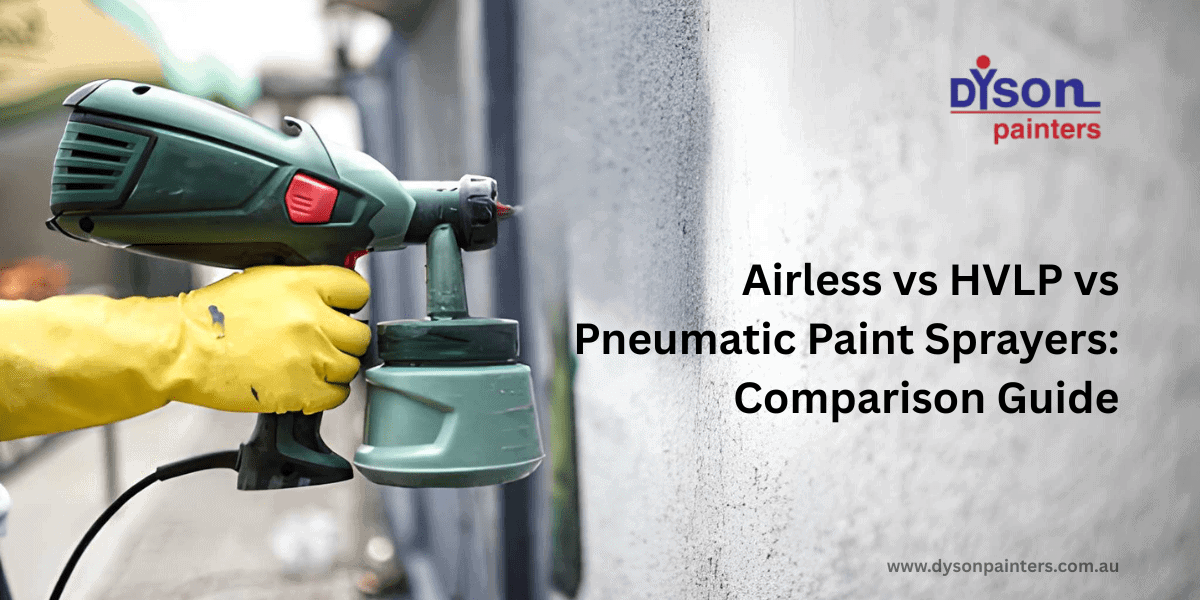
Choosing the right paint sprayer in Australia is crucial for homeowners, DIY enthusiasts, and professional painters alike. Whether you are planning a large-scale project, need a smooth finish for intricate details, or require efficiency on a commercial job, understanding the different types of paint sprayers is essential. Airless spray paint, HVLP (High Volume Low Pressure) sprayers, and pneumatic sprayers each offer distinct advantages that suit different painting needs.
In this comprehensive guide, we will explore the workings, benefits, and drawbacks of each type of paint sprayer, and help you determine which is the best choice for your project. Let’s dive into this comparison.
Why Choosing the Right Paint Sprayer Matters
When embarking on a painting project, whether for a residential paint sprayer task or a commercial paint sprayer application, selecting the right tool is critical for both the finish quality and the time it will take to complete the job. With a variety of sprayer types available in the market, it’s easy to get overwhelmed. Should you go with the speed and versatility of an airless spray paint system? Or do you need the fine detailing and minimal overspray of an HVLP sprayer?
Each paint sprayer type has its place depending on your project. This guide will take you through the three most popular types of sprayers: airless, HVLP, and pneumatic sprayers, helping you choose the best one for your needs.
What is an Airless Paint Sprayer?
An airless paint sprayer is a popular choice for both residential paint sprayer applications and large commercial projects due to its high efficiency. It uses a high-pressure pump to force paint through a small nozzle, atomising it into fine droplets that evenly cover large surface areas. This system doesn’t use compressed air but relies on hydraulic pressure to propel the paint, providing a smooth, even application.
How Does Airless Spray Painting Work?
In airless spray painting, paint is pumped under high pressure from the container through a nozzle. The paint is then atomised into a fine mist, which is sprayed evenly across the surface. This system creates a smooth, consistent finish and is highly effective for large-scale projects, such as painting exterior walls, fences, or ceilings. Unlike conventional methods that rely on air to atomise the paint, the airless system uses hydraulic pressure to force the paint through the nozzle, resulting in less overspray and more control over the application.
Advantages of Airless Paint Sprayers
- Speed and Efficiency: Airless sprayers are among the fastest types of sprayers, capable of covering large areas quickly. This makes them ideal commercial paint sprayers for any project requiring extensive surface coverage. Airless sprayers can cover anywhere from 1,000 to 2,000 square feet per hour, which is significantly faster than using rollers or brushes.
- Smooth, Professional Finish: One of the standout features of airless sprayers is the smooth, flawless finish they produce. They work well on rough or textured surfaces, such as stucco or concrete, providing a consistent, professional-looking finish. The fine mist ensures that the paint adheres evenly, eliminating visible brush or roller marks.
- Versatility: Airless sprayers are highly versatile and can handle a range of materials. From latex paints and acrylics to enamels and stains, they can tackle different types of coatings. Whether you’re working on residential paint sprayer tasks or commercial applications, airless systems provide flexibility in terms of paint compatibility.
- Ideal for Large-Scale Projects: Airless sprayers excel in covering large areas such as walls, ceilings, and large exteriors. Their ability to apply paint quickly and evenly makes them the go-to choice for professionals and homeowners tackling big projects.
Disadvantages of Airless Paint Sprayers
- Overspray and Preparation: While airless spray painting offers minimal overspray compared to other systems, it’s still essential to mask off surrounding areas. The high-pressure jet can create a fine mist, which can settle on nearby surfaces if not properly protected. Extensive masking of windows, furniture, and floors is necessary before beginning the application.
- Learning Curve: Airless sprayers are not the easiest tools to use, especially for beginners. Painters in Australia or DIYers unfamiliar with the tool may find it challenging to control the sprayer. To avoid overspray and achieve an even coat, it takes some practice to get the technique right.
- High Initial Cost: Although airless sprayers save time and effort in the long run, they come with a higher upfront cost. Depending on the quality and features, they can be a significant investment for homeowners or small businesses.
What is an HVLP (High Volume Low Pressure) Paint Sprayer?
An HVLP sprayer uses a high volume of air at low pressure to atomise paint. This sprayer type is known for its precision, making it ideal for residential projects involving furniture, trim, cabinets, and intricate detailing. HVLP sprayers deliver a fine mist that allows for detailed work with minimal overspray.
How Does HVLP Spray Painting Work?
In HVLP spray painting, the paint is atomised using a low-pressure system. The sprayer uses an air compressor or turbine to blow a high volume of air at low pressure through a nozzle, which breaks the paint down into small droplets. This process allows for precise control over the spray, making it perfect for detailed work like painting trim, doors, and small pieces of furniture.
Advantages of HVLP Sprayers
- Fine Detail and Precision: HVLP sprayers are designed for tasks that require a high degree of accuracy, such as painting trim, furniture, or intricate details. This makes them ideal for smaller residential projects or for professional painters working on high-end finishes.
- Minimal Overspray: One of the biggest advantages of HVLP spray painting is its ability to produce minimal overspray. The low-pressure system ensures that the paint is atomised finely, which reduces the risk of paint settling on unintended surfaces. This makes cleanup easier and reduces material waste.
- Perfect for Thin Coatings: HVLP sprayers are ideal for applying light coatings such as stains, varnishes, and lacquers. These types of materials require a gentle and controlled application, which HVLP sprayers excel at. For furniture refinishing or delicate surfaces, an HVLP sprayer provides the perfect solution.
- User-Friendly: Compared to airless sprayers, HVLP sprayers are easier to use, especially for beginners or DIY enthusiasts. The fine mist and low pressure offer better control over the application, which reduces the learning curve.
Disadvantages of HVLP Sprayers
- Slower Application: HVLP sprayers are not as fast as airless sprayers, which can make them less suitable for large-scale projects. If you’re working on a big painting job like an entire exterior or multiple rooms, an airless sprayer would be a more efficient choice.
- Requires Air Compressor: HVLP sprayers often require an air compressor or turbine for operation. This additional equipment can increase the cost and complexity of using an HVLP sprayer.
- Not Ideal for Thick Paints: While HVLP sprayers are great for thin paints and stains, they may struggle with thicker materials. If you plan to use heavy latex paints or primers, an airless spray paint system would be more appropriate.
What is a Pneumatic Paint Sprayer?
A pneumatic paint sprayer is similar to an HVLP sprayer but relies on an external air compressor to atomise paint. Pneumatic sprayers are often used in industrial settings or for applications that demand a commercial paint sprayer, where speed and precision are critical.
How Does Pneumatic Painting Work?
Pneumatic sprayers use compressed air to atomise and propel paint, which results in a fine mist that covers the surface evenly. These sprayers are typically used in applications requiring high precision, such as auto painting, machinery coatings, and large-scale commercial jobs.
Advantages of Pneumatic Sprayers
- High Precision: Pneumatic sprayers are known for their precise application, making them ideal for automotive painting or fine finishes on large surfaces. The control over the air pressure and paint flow allows for detailed work with minimal mess.
- Ideal for Industrial Applications: Pneumatic sprayers are commonly used in industrial and commercial applications due to their versatility. Whether you’re painting machinery, equipment, or large structures, pneumatic sprayers provide an efficient solution.
- Wide Range of Materials: These sprayers can handle both thick and thin coatings, making them versatile for various materials like latex paints, primers, and coatings.
Disadvantages of Pneumatic Sprayers
- Requires an Air Compressor: Pneumatic sprayers require an air compressor to operate, which can add to the equipment cost. The need for an air compressor can limit the sprayer’s portability, making it less practical for DIYers or homeowners tackling smaller projects.
- Slower for Large Areas: Similar to HVLP sprayers, pneumatic sprayers tend to be slower than airless systems, making them less efficient for large-scale projects.
- Not Ideal for DIY Projects: Pneumatic sprayers are typically more suitable for professional painters or industrial applications. DIY homeowners may find them difficult to use without the proper experience or additional equipment like an air compressor.
Airless vs HVLP vs Pneumatic: Side-by-Side Comparison
Feature |
Airless Spray Paint |
HVLP Spray Paint |
Pneumatic Spray Paint |
| Best for | Large areas, rough surfaces | Fine details, furniture, trim | Industrial, automotive, fine finishes |
| Speed | Fast | Moderate | Moderate |
| Overspray | Moderate | Minimal | Moderate to High |
| Finish Quality | Smooth, professional finish | Precise, smooth, and detailed | Smooth and fine |
| Application Area | Large areas, rough surfaces | Small to medium areas | Large surfaces, industrial |
| Maintenance | Requires more cleanup | Easier cleanup | Moderate cleanup |
| Skill Level | Requires experience | Beginner-friendly | Requires experience |
| Cost | Higher upfront cost | Moderate | Higher upfront cost |
Which Paint Sprayer is Best for Your Project?
When selecting the best paint sprayer in Australia for your project, several factors should be considered, such as project size, surface type, finish quality, and experience level. Here’s a guide to help you decide:
- For Large-Scale Projects: If you are working on large areas such as exterior walls or large commercial spaces, airless spray painting is the best choice. It provides the speed, coverage, and efficiency required for extensive projects.
- For Small, Detailed Work: If your project involves fine detailing, such as furniture, trim, or cabinets, HVLP spray painting is ideal. It offers excellent precision and minimal overspray, making it perfect for intricate, detailed work.
- For Industrial or Auto Applications: Pneumatic sprayers are the go-to option for industrial or automotive applications due to their precision and versatility. They are suited for high-production environments where both speed and quality are essential.
- For DIYers and Beginners: If you are new to using a paint sprayer, an HVLP sprayer is more user-friendly and easier to control. It’s an excellent choice for small-scale projects and beginners looking to achieve fine finishes with minimal hassle.
Conclusion
In conclusion, the choice between airless spray paint, HVLP sprayers, and pneumatic sprayers depends on the specific needs of your project. Whether you’re tackling a residential project or a commercial paint job, understanding the differences between these sprayers will help you make an informed decision.
Airless spray paint is perfect for large-scale projects that require speed and efficiency, while HVLP sprayers offer the precision needed for intricate details. Pneumatic sprayers excel in industrial and automotive applications, providing the control and versatility needed for high-end finishes.
Choosing the right sprayer will ensure a smooth, professional result that meets your project’s needs. Make sure to consider factors like speed, overspray, finish quality, and your level of experience before making your decision.
Choose the Right Paint Sprayer in Australia Today!
Looking for trusted residential and commercial painting services in Hobart? With over 50 years of hands-on experience, our team at Dyson Painters knows what it takes to deliver clean, long-lasting results on every project. We work with professional-grade paint sprayers in Australia to achieve smooth, even finishes for homes, offices, and large commercial spaces. We use the right tools, proven techniques, and quality finishes to get the job done properly.
If you’re planning a repaint or starting a new project, our experienced painters in Australia can guide you through the best options for your space, budget, and timeline. We take care of everything, from surface preparation to the final coat, so you can enjoy a smooth, stress-free experience.
Get in touch with our painting specialists today at 0420-213-214 or email us at admin@dysonpainters.com.au for any queries. See how decades of local experience can make a real difference to your property.